Self-Acceptance
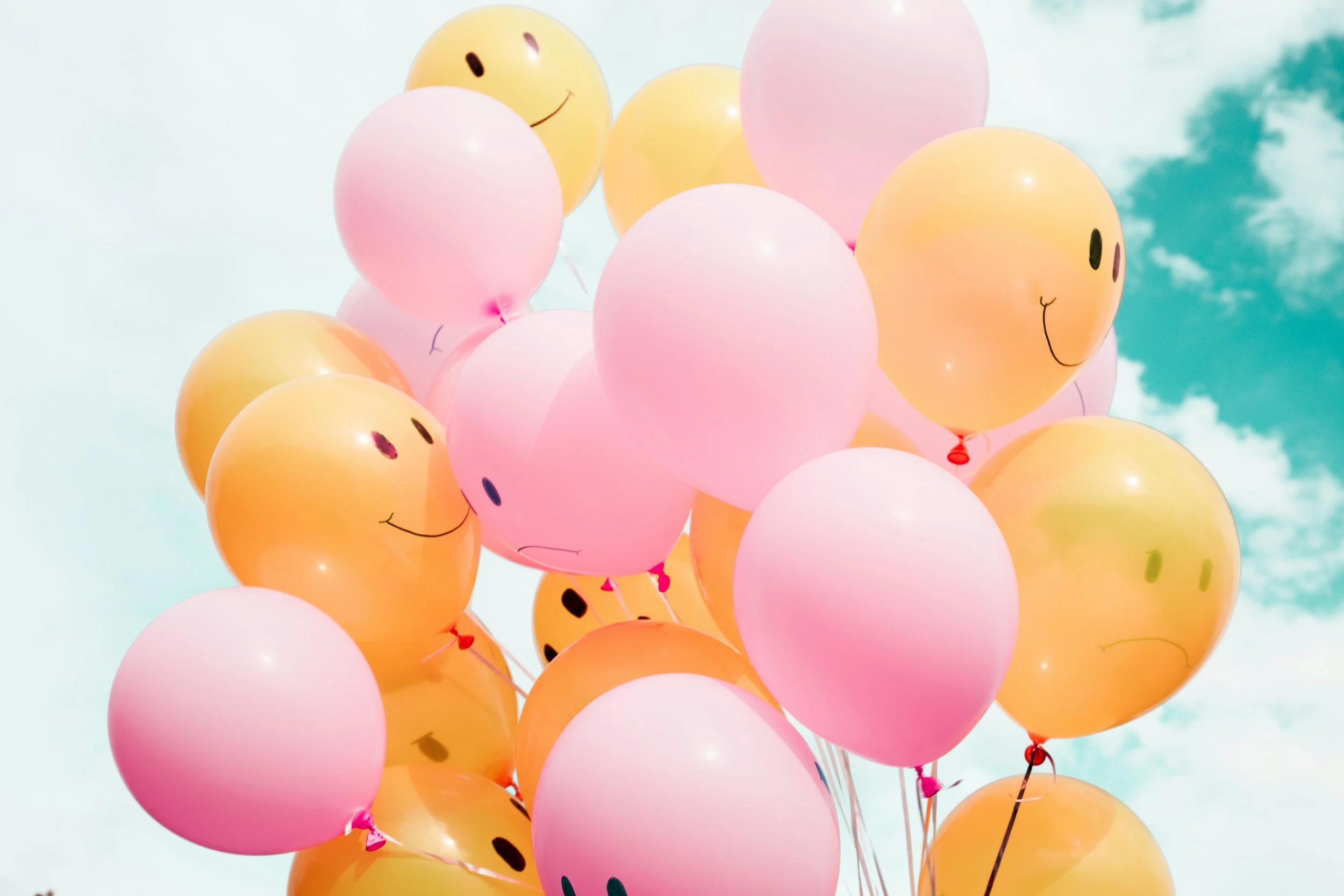
The act of self-acceptance can be more difficult than it appears, especially after experiences of low self-esteem, depression, anxiety, or significant trauma. First, it helps to acknowledge how deeply societal expectations shape our self-image and goals. I believe in accepting yourself as you are rather than conforming to those external pressures, but because society is so deeply embedded in our lives, that’s not easy.
So what next? Start by working with what you already know about yourself and cultivate acceptance for how you choose to show up in life.
Consider these questions to guide you:
How well do your values align with your actions and thoughts?
Which parts of yourself do you truly value?
Which areas would you like to develop to move closer to where you want to be?
Next, I’d like to introduce the idea of radical acceptance as a way of living. It means acknowledging and embracing the things about yourself that you cannot change.
For example: if you are short and unlikely to become taller, what does radical acceptance look like?
Instead of saying, “I’m short and I wish I were taller,” you might say, “I may never be taller, and that’s okay,” or “This is who I am, and I can accept that.”
My hope is that, you can find one or two things in this article that may help you further explore your mental health and learn to accept yourself.
