Power after a Trauma

Traumas can wreak havoc on the central nervous system and the pre-determined coping mechanisms in your brain/body. Especially if it causes significant distress and impacts day-to-day functioning.
If you have gone through a form of trauma, chances are that there are some “non-negotiables” that you must do in order to feel safe. The non-negotiables may look like someone who refuses to sit with their back towards a door due to feeling unsafe or someone who carries around a weapon of some sort just in case.
Our brains will aways actively try to protect us from threats and what we need to be aware of is that we should not be letting that drive or shape our lives.
So how can we get our power back after a trauma?
The first step, is to acknowledge that something has happened that is impacting you.
Once you have processed that, you can take a look at whether it is something you need help processing (with a professional counselor) or some life adjustments that you can make on your own.
I assign a few exercises for clients to review their traumas and investigate how the trauma is impacting them. I will list the questions below:
What happened?
How did you feel before and after the event?
What feelings are still residing in you today?
How would you want your life to look?
What needs to change?
While an actual counseling session can provide much more insight, having somewhere to start and some idea of what to ask yourself can help you start gaining back your power. A trauma does not define you and I encourage you to fight for the best version of yourself.
What do you know about routines?
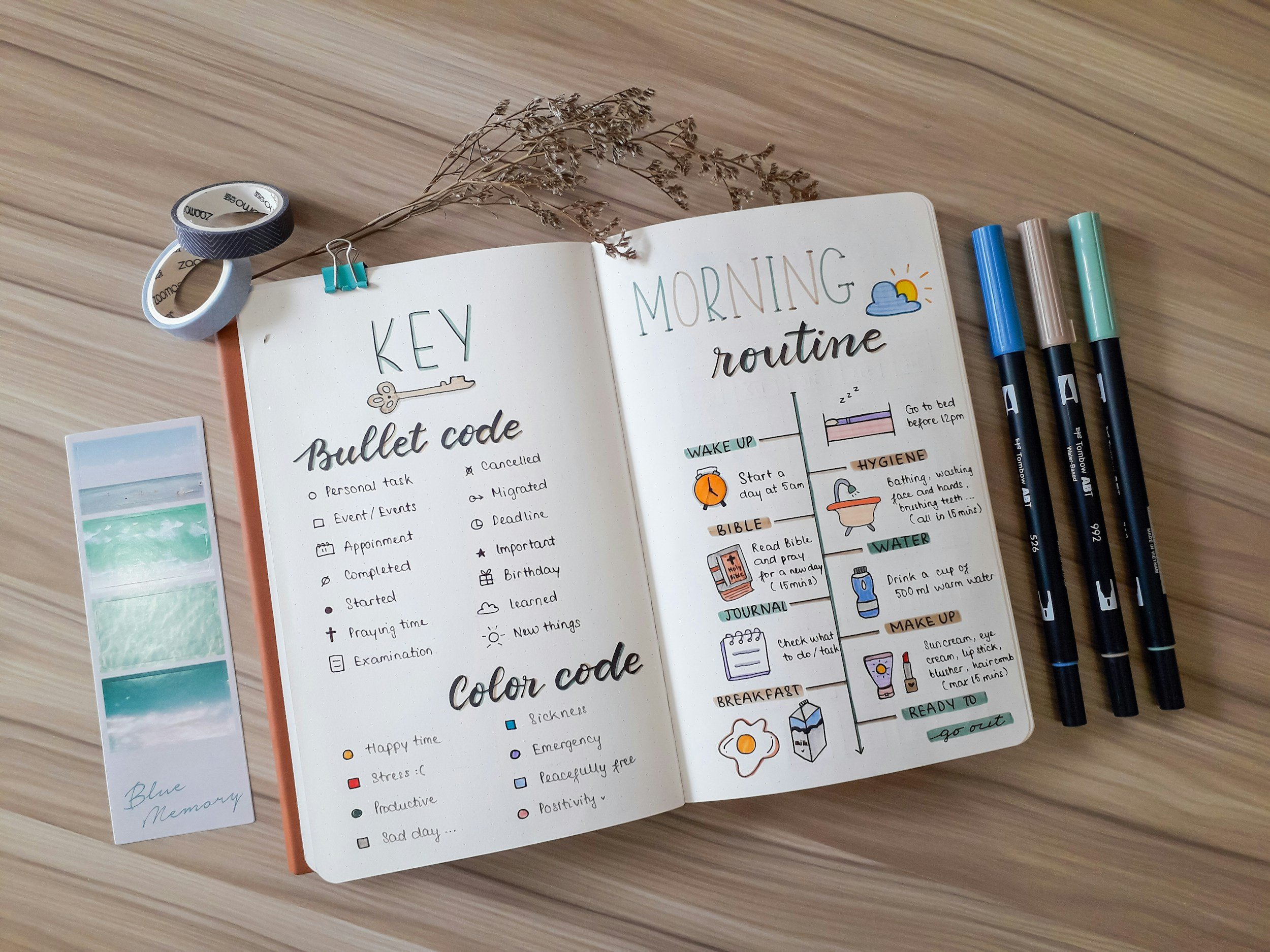
The importance of routines is rarely talked about although it can help many people get the important things done, feel more put together, and can provide a sense of normalcy (especially in a hectic world).
Routines provide structure and a guide to know where you have to be and when. To set up a healthy routine, ask yourself the following:
What are your non-negotiables in a routine?
What must get done daily?
How can you incorporate some fun activities into your routine?
Once you are able to identify the needs, wants, and ideal activities in your daily life, you can start breaking down and prioritizing your time.
I encourage you to have some way of noting this down- either in a phone calendar or a physical calendar, but having a visual reminder is helpful. If you want to set up, transition alarms or timers, that could be helpful as well.
Don’t let your days continue to get ahead of you and structure them out to increase efficiency and establish a good work ethic.

Self-Acceptance
Accepting yourself means acknowledging your whole experience—strengths, imperfections, past mistakes, and unmet needs—without harsh judgment, and choosing to respond with curiosity and compassion rather than avoidance or self-criticism. It involves recognizing that growth is uneven, that feeling stuck or vulnerable is human, and that worth is not contingent on productivity or others’ approval. Practically, self-acceptance looks like noticing difficult thoughts and emotions, grounding in the present, setting kind boundaries, and making choices aligned with your values even when change feels slow. Over time, this stance reduces shame, builds resilience, and creates the inner space needed for genuine healing and healthier relationships.

The act of self-acceptance can be more difficult than it appears, especially after experiences of low self-esteem, depression, anxiety, or significant trauma. First, it helps to acknowledge how deeply societal expectations shape our self-image and goals. I believe in accepting yourself as you are rather than conforming to those external pressures, but because society is so deeply embedded in our lives, that’s not easy.
So what next? Start by working with what you already know about yourself and cultivate acceptance for how you choose to show up in life.
Consider these questions to guide you:
How well do your values align with your actions and thoughts?
Which parts of yourself do you truly value?
Which areas would you like to develop to move closer to where you want to be?
Next, I’d like to introduce the idea of radical acceptance as a way of living. It means acknowledging and embracing the things about yourself that you cannot change.
For example: if you are short and unlikely to become taller, what does radical acceptance look like?
Instead of saying, “I’m short and I wish I were taller,” you might say, “I may never be taller, and that’s okay,” or “This is who I am, and I can accept that.”
My hope is that, you can find one or two things in this article that may help you further explore your mental health and learn to accept yourself.